Retailers are always looking for ways to increase revenue, move inventory faster, and create more value for customers. Product bundles help accomplish all three. When you group related items together and sell them as one package, you encourage larger purchases and simplify buying decisions. For e-commerce brands and multichannel retailers, bundling products is more than a pricing tactic. It influences merchandising strategy, inventory planning, and fulfillment execution across the business.
Key Takeaways
- Product bundles group related items into a single offer, often at a discounted price compared to buying each item separately.
- Retailers use bundling to boost sales, increase cart size, and improve overall sales performance.
- Different bundling approaches, including mixed, pure, and cross-sell formats, support different merchandising objectives.
- Bundles perform well during seasonal campaigns, new product launches, and efforts to move excess or aging stock.
- Successful bundling requires thoughtful pricing, logical product combinations, and consistent performance tracking.
- Strong coordination across inventory, fulfillment, and reporting helps retailers keep bundles profitable and operationally efficient.
What is a Product Bundle?
Product bundles are groupings of multiple products offered together as a single package. Instead of purchasing each item on its own, customers buy the combined set in one transaction. In many cases, the items can still be sold separately, but the bundle presents them as a unified offer.
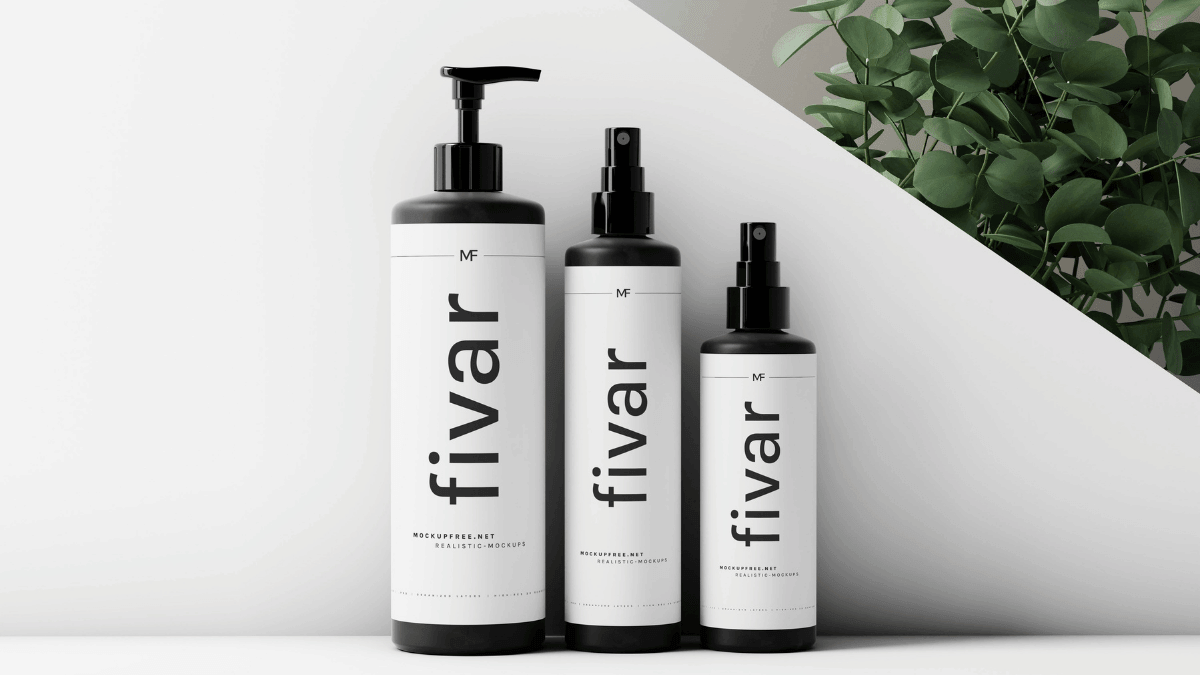
Retailers often create product bundles using complementary products that naturally fit together, such as a laptop and wireless mouse or shampoo and conditioner. Some bundles include identical items packaged together, while others mix related products across categories. The goal is to structure the offer in a way that encourages customers to buy two or more products at once, often at a discounted price compared to purchasing each product individually.
Whether fixed or flexible, simple or curated, product bundles organize multiple products into a single, clearly defined offer.
Why Product Bundles Matter for Retail
Product bundles do more than group items together. They influence pricing strategy, shape merchandising decisions, and help retailers boost sales across channels. An effective bundling strategy helps businesses grow revenue while still giving customers a discounted price.
Drive Higher Average Order Value
Bundles encourage customers to buy more in a single transaction. When customers choose a curated offer instead of a single product, the total cart value increases. Customers are more likely to add a package deal to their cart when they perceive added value, which can lead to more sales and stronger overall performance. For retailers that sell physical products, bundles based on logical combinations often drive higher basket sizes without relying on deep discounts.
Improve Customer Experience
Bundles simplify decision-making and make it easier for customers to choose. Instead of evaluating multiple standalone items, buyers can select a complete solution. When customers feel confident in their purchase, they are more likely to return, increasing the potential for repeat purchases over time.
Move Inventory Efficiently
Retailers can use bundles based on demand patterns to balance stock levels. Pairing slower-moving items with popular products helps sell products that might otherwise sit in storage. With the right bundling strategy, teams maintain complete control over how inventory moves while encouraging customers to purchase a broader mix of items.
Reduce Marketing and Fulfillment Costs
Promoting one bundled offer can require fewer campaigns than marketing each product separately. Fewer individual orders can also lower handling complexity and reduce shipping costs across high-volume periods. When items are sold together in one package, fulfillment teams process fewer shipments, streamline picking workflows, and operate more efficiently.
Common Bundle Types
Retailers use different product bundling strategies to create bundles that match their pricing model, merchandising goals, and customer expectations. The structure of the bundle affects how the shopper sees the offer and how the items are sold together.
Common product bundle types include:
Mixed Bundling
Mixed bundling allows each item to be sold separately or as part of a package deal. The shopper sees both options and chooses between purchasing items individually or as an entire bundle at a lower price. This approach offers flexibility while still encouraging larger purchases.
Pure Bundling
Pure bundling means the individual items are only sold together as part of the entire bundle. In this case, the bundle becomes its own cohesive unit rather than an optional add-on.
Same-Product Bundling
Same-product bundling groups matching products into one offer. Instead of buying one item at a time, customers purchase a multi-pack that is sold together as a combined package deal.
Cross-Sell Bundling
Cross-sell bundling combines complementary products that serve a related purpose. Retailers create bundles that bring together items that naturally fit as a set, such as a razor and razor blades, so the shopper gets a complete solution rather than separate components.
When to Use Product Bundles
Retailers use product bundles when merchandising goals, inventory conditions, and customer demand point to a clear opportunity. They do not bundle products at random. They act with purpose. Strong timing supports stronger results. When teams align the right offer with the right moment, they can drive increased sales, improve inventory flow, and lift overall sales performance.
A few examples of when to use product bundles include:
Seasonal Promotions
The holiday season creates a natural opportunity to group items into themed offers. Retailers can create gift sets, event-based kits, or limited-time package deals designed around specific occasions. Consumers often look for convenience during peak periods, and many prefer to buy bundles instead of assembling individual products on their own. Well-positioned seasonal bundles can drive increased sales, lift overall sales volume, and encourage higher cart values during critical revenue windows.
Product Launches or Limited Editions
New releases provide another strong use case for bundling. Retailers can pair a new product with complementary accessories or related items to introduce it within a complete offering. Instead of promoting a single unit on its own, brands can present a fuller solution that encourages customers to explore more of the catalog. This approach can accelerate adoption, support increased sales, and strengthen early demand momentum.
Clearing Out Old or Overstocked Inventory
Bundles also work well for inventory clearance initiatives. Retailers dealing with excess stock, unpopular products, or old inventory can combine those items with stronger sellers to create a more compelling offer. Rather than discounting each item heavily, brands can reposition surplus goods within a broader package. This tactic supports inventory clearance goals while protecting margins and improving sell-through rates.
Increasing Customer Loyalty and Repeat Purchases
Bundles can reinforce buying habits and build longer-term relationships. When retailers design offers around replenishment cycles or common use cases, consumers are more likely to return and buy bundles again. Structured packages reduce decision friction, create predictable purchasing patterns, and support repeat purchases over time. As loyalty strengthens, overall sales stability improves as well.
Best Practices for Effective Product Bundling Strategies
Effective product bundling starts with clarity. Retailers need to know what they want the bundle to accomplish, how it will perform financially, and how it will affect inventory flow. Strong product bundles do not happen by accident. Teams design them with intention, test them against real data, and refine them over time.
Some effective tips for creating a successful product bundling strategy include:
Choose Complementary Items That Make Sense Together
Logical combinations perform better than random groupings. Retailers should use customer data to understand which products are frequently purchased together and where natural product relationships exist. Teams can create data-driven bundles based on buying patterns, browsing behavior, and seasonal demand signals. For example, a home office bundle that includes a desk lamp, wireless keyboard, and ergonomic mouse feels purposeful and relevant. When items genuinely fit together, conversion rates tend to improve.
Price Product Bundles at Perceived Value
Pricing influences whether customers commit to the offer. The bundled price should reflect clear value without eroding profitability. Retailers must account for shipping costs, marketing costs, and margin targets when structuring discounts. Instead of applying deep price cuts across individual products, brands can adjust the total bundle price to maintain a balance between perceived savings and sustainable returns.
Promote Product Bundles Clearly Across Channels
Visibility drives adoption. Retailers should feature bundles prominently on homepage banners, category pages, and product detail pages. Email campaigns, social promotions, and paid ads can reinforce the value proposition. Clear messaging helps customers understand why the items belong together and what they gain from purchasing the combined offer.
Measure Success With Key Metrics
Bundling requires ongoing evaluation. Retailers should compare performance between bundled offers and individual products to understand the true impact. Tracking average order value, bundle attach rate, inventory turnover, and overall margin performance provides actionable insight. When teams review data consistently, they can refine pricing, adjust product combinations, and reduce waste tied to excess inventory or ineffective promotions.
Common Challenges With Product Bundling
Product bundles can drive strong results, but they also introduce operational and strategic complexity. Retailers must plan carefully to avoid margin pressure, inventory issues, or customer confusion.
Inventory Coordination
Product bundles rely on the availability of every component. If one item runs out of stock, the entire offer can stall. Teams need clear visibility into inventory levels and accurate forecasting to prevent stockouts. Coordinated replenishment planning helps maintain availability and protect revenue.
Margin Compression
Discounting multiple items together can erode profitability if pricing is not structured correctly. Retailers must calculate total costs, evaluate contribution margins, and model different pricing scenarios before launch. Strong financial planning protects profit while still delivering perceived value.
Cannibalization of Individual Products
Bundles can shift demand away from standalone items. In some cases, customers who would have purchased several products at full price may opt for the discounted package instead. Retailers should analyze sales patterns and compare bundle performance against individual product trends to ensure overall revenue improves.
Operational Complexity
Product bundles add another layer to order management, picking, and fulfillment. Teams must decide whether to pre-assemble kits or build them on demand. Clear processes reduce errors, streamline fulfillment, and maintain efficiency as bundle volume grows.
How Brightpearl Supports Product Bundling at Scale
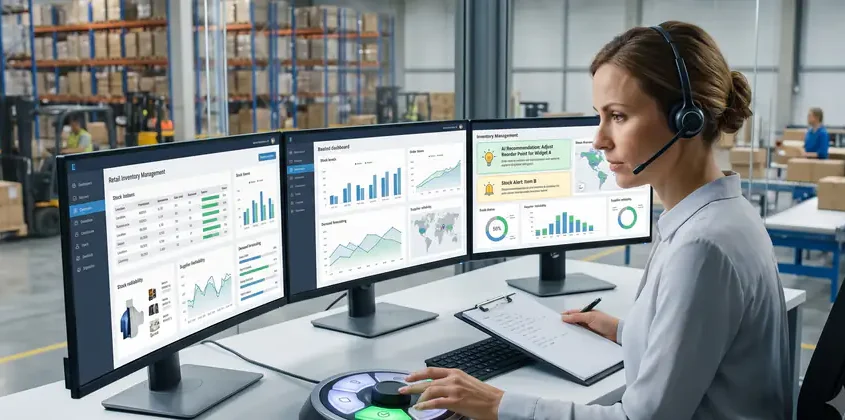
Creating product bundles is the easy part. Managing them across channels, warehouses, and fulfillment workflows is where it gets complicated. As product bundle volume grows, retailers need tight control over inventory levels, order breakdowns, and purchasing forecasts. Brightpearl gives teams the operational visibility and automation required to execute product bundling strategies without adding manual work or operational risk.
Brightpearl supports product bundling with capabilities such as:
- Real-time inventory visibility: Track every component SKU across warehouses and sales channels so bundle availability stays accurate.
- Automated order management: Automatically break bundles into individual items for precise picking, packing, and shipping.
- Demand planning insights: Understand how bundled sales affect purchasing decisions and replenishment cycles.
- Workflow automation: Trigger order routing, inventory updates, and financial entries without relying on manual processes.
Retailers that use Brightpearl to power their product bundling strategy gain control, speed, and scalability. Teams move faster. Operations stay aligned. Growth becomes easier to manage.
Turn Product Bundles Into a Repeatable Revenue Driver
Product bundles can do far more than drive a temporary spike in revenue. They give retailers a structured way to boost sales, move inventory strategically, and increase repeat purchases without relying on constant discounting. With the right bundling strategy, teams can improve overall sales performance while maintaining tighter control over margins and operations.
Execution determines the outcome. Retailers must align product selection, pricing, inventory planning, and fulfillment workflows to ensure bundles perform as intended. Brightpearl provides the operational backbone to manage that complexity at scale.
Book a demo and see how Brightpearl helps you manage inventory, automate workflows, and drive smarter retail growth.
Frequently Asked Questions
What is a product bundle?
A product bundle is a group of multiple products sold together as one package. Retailers combine items into a single offer, often at a discounted price compared to purchasing each item separately. The products may still be sold separately, but the bundle presents them as a unified option.
What are examples of product bundling?
Common examples include a skincare set with cleanser, toner, and moisturizer sold together, a gaming console packaged with a controller and game, or a buy three get one free offer on consumable goods. Retailers also create bundles that combine complementary products, such as a laptop with a wireless mouse and carrying case.
What is the purpose of bundling products together?
Retailers bundle products together to increase average order value, boost sales, and move inventory more efficiently. Bundling can also simplify the buying process, encourage repeat purchases, and help clear excess or old inventory while maintaining margin control.