Every product that reaches a customer reflects decisions about cost, speed, quality, and experience. Some of those decisions focus on how efficiently goods move through a business, while others influence how customers perceive the brand and decide whether to return. Although the terms supply chain and value chain are often used interchangeably, they describe different approaches to business operations and customer value.
Key Takeaways
- The supply chain focuses on execution, and the value chain focuses on value creation and customer experience.
- Strong supply chain processes support reliable fulfillment, cost control, and consistent delivery as businesses grow.
- Value chain thinking helps connect business activities to customer value, brand perception, and long-term competitive advantage.
- The strongest results are achieved when these two chains work together, rather than being managed in isolation.
- Technology that unifies operations and data helps teams align execution with strategy and scale without losing control.
What Is a Supply Chain?
A supply chain refers to the network of people, systems, and processes involved in moving goods from origin to customer. In practical terms, the supply chain deals with how raw materials are sourced, transformed into products, and delivered to end customers. For retailers and wholesalers, the company’s supply chain often stretches across suppliers, manufacturers, distribution partners, warehouses, and sales channels, including online and brick-and-mortar stores.
Key Stages of a Supply Chain
The supply chain encompasses a series of connected business activities that support the flow of goods and information. Common supply chain activities include:
- Sourcing raw materials and managing supplier relationships
- Inbound logistics that bring materials into production or storage
- The production process that turns inputs into a final product
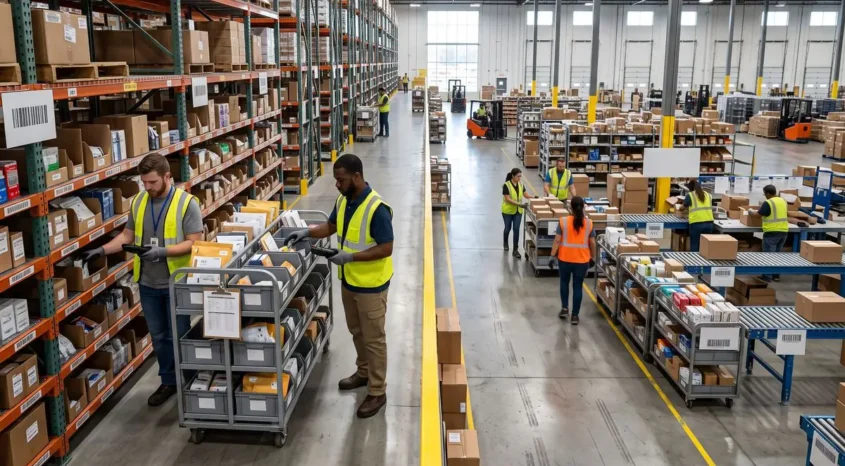
- Inventory management, warehousing, and quality control
- Outbound logistics that support delivery and returns
Primary Goal of the Supply Chain
The primary goal of the supply chain is to move goods efficiently, accurately, and at a controlled cost. Supply chain processes focus on reducing friction across operations, improving cost efficiency, and maintaining product quality at scale. This focus helps reduce costs, protect brand reputation, and meet customer expectations without compromising operational efficiency.
What Is a Value Chain?
A value chain describes how a business creates value at each step of its operations, from early planning through customer interactions after a sale. The value chain looks at how those activities contribute to customer value, differentiation, and long-term performance. The value chain concept shifts attention from execution alone to how business activities influence perceived value and experience.
Key Activities in a Value Chain
Value chain activities extend beyond logistics and production to include decisions that shape how customers view a product and the brand behind it. Common value chain activities include:
- Product design, assortment planning, and sourcing raw materials
- Pricing, margin management, and market positioning
- Marketing, sales, and delivery experiences
- Outbound logistics that influence speed and reliability
- After sales support, customer feedback, and service improvement
Primary Goal of the Value Chain
The primary goal of the value chain is value creation. Value chain management focuses on increasing perceived value, supporting customer satisfaction, and building a competitive advantage that is difficult to replicate. When guided by value chain thinking, organizations align business processes with consumer expectations, strengthen loyalty, and support sustaining superior performance over time.
Key Differences Between Value Chain and Supply Chain
Understanding the key differences between these two concepts helps explain why they are often confused and why treating them as interchangeable can limit growth. While value and supply chains are closely connected, each chain is concerned with different priorities, metrics, and outcomes.
Focus and Perspective
The most obvious contrast between these two concepts comes down to focus. The supply chain addresses how goods move, how quickly processes run, and how reliably orders are fulfilled. In contrast, the value chain focuses on how value is added at each stage of business activities, from planning and sourcing through customer experience and after-sales support.
Scope and Coverage
The supply chain refers to a defined set of activities tied to production, storage, and delivery. The value chain extends beyond those steps. It includes marketing, pricing, service, human resource management, and other business processes that influence customer value. In practice, the supply chain and value chain overlap, but the value chain encompasses a wider view of how the business operates.
Metrics and Outcomes
Supply chain management tracks financial efficiency, delivery speed, inventory levels, and operational efficiency. Value chain analysis looks at customer satisfaction, perceived value, brand reputation, and the ability to build loyalty. Both sets of metrics matter, but they answer different questions about performance.
Strategic Role
The difference between these two chains is clearest at the strategic level. Supply chain strategies aim to reduce costs and improve operational efficiency. Value chain strategies aim to deliver customer value, support product positioning, and deliver a competitive edge. Businesses that align value and supply can improve costs while also strengthening customer experience and sustaining superior performance.
How the Supply Chain Supports the Value Chain
Value and supply chains do not operate in isolation. The way a company manages the supply chain has a direct impact on how value is created and experienced by customers. When the supply chain performs well, it strengthens the value chain and supports consistent outcomes across the business.
Operational Execution Shapes Customer Experience
Reliable supply chain operations influence nearly every touchpoint in the customer experience. Accurate inventory availability supports trust. On-time customer delivery reinforces expectations. Consistent product quality protects brand reputation. When the supply chain ensures that goods arrive as promised, value chain activities such as marketing, sales, and after-sales support can deliver on their promises and boost customer satisfaction.
Where Value Is Commonly Lost
Breakdowns in the supply chain often undermine value. Stockouts, delays, and quality issues interrupt the flow of business activities and frustrate customers. When inbound logistics fail or outbound logistics slow down, the value chain suffers. These gaps make it harder to enhance customer satisfaction and can erode customer loyalty over time.
Aligning Supply and Value Chain Decisions
Effective value chain processes depend on coordination between execution and strategy. Supply chain management provides the data and reliability needed to support value chain thinking. When teams align supply chain processes with value chain strategies, they reduce friction, improve operational efficiency, and build customer value more consistently across channels.
Why This Distinction Matters for Retailers and Wholesalers
The difference between value and supply affects daily decisions about pricing, fulfillment, staffing, and growth. Treating the two concepts as interchangeable often creates gaps between execution and strategy, especially as business operations become more complex.
- Efficiency does not guarantee results: Supply chain management helps control costs and keep goods moving, but efficiency alone does not create customer value. Without value chain thinking, improvements in the supply chain may fail to boost customer satisfaction or support a competitive advantage.
- Growth increases complexity across channels: As companies expand into new markets and sales channels, value and supply chains grow harder to manage. More suppliers, locations, and partners raise the risk of delays, errors, and missed expectations.
- Alignment drives better decisions: Understanding value chain vs. supply chain helps teams connect daily execution to broader strategy by clarifying which decisions improve efficiency and which ones drive long-term differentiation, so operational changes support growth goals rather than working against them.
Where Brightpearl Fits In
As retailers and wholesalers grow, the pressure on both chains increases. More channels, higher order volumes, and rising customer expectations leave little room for disconnected systems or slow decisions. Brightpearl is built to bring clarity and momentum back into day-to-day operations.
- Unified supply chain operations: Orders, inventory, fulfillment, and accounting work together in one system, giving teams a shared view of the company’s supply chain and eliminating handoffs that slow execution.
- Automation that safeguards customer value: Smart workflows handle routine tasks automatically, reducing errors and freeing teams to focus on work that improves customer experience.
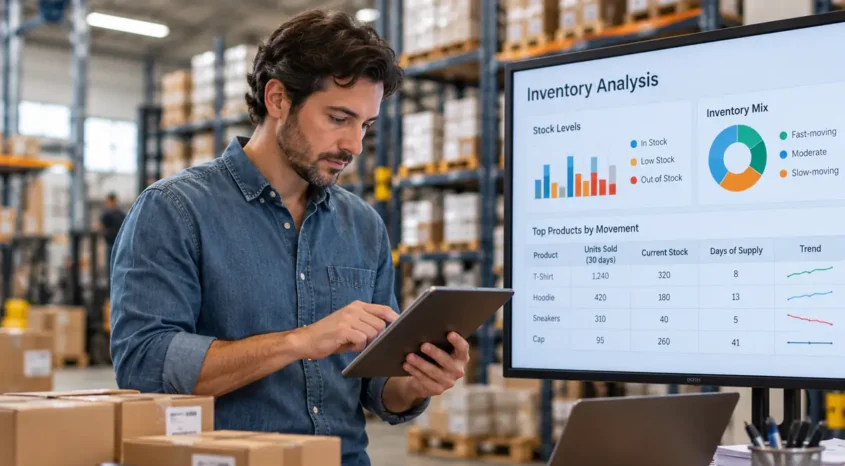
- Insight that connects action to outcomes: Real-time visibility shows how supply chain processes influence margins, service levels, and customer satisfaction, making it easier to spot issues before they escalate.
- Confidence to scale without disruption: Brightpearl supports growing supply and value chains across new channels and brick-and-mortar stores, helping businesses expand while staying reliable and responsive.
Value Chain vs. Supply Chain: Which Should You Focus On?
The question is not value chain vs. supply chain. Strong businesses rely on both.
The real advantage comes from alignment. Supply chain management keeps operations reliable and costs in check. Value chain thinking shapes where teams invest to create customer value, support customer satisfaction, and protect competitive advantage. When these chains work together, businesses are better equipped to scale, adapt, and sustain superior performance.
Bringing Value and Execution Together
Value chain vs. supply chain shapes more than internal processes. It influences how smoothly orders flow, how consistently customers are served, and how well a business grows over time. The supply chain focuses on execution and reliability. The value chain focuses on value creation, customer satisfaction, and competitive advantage.
When both work in sync, operations support the experience customers expect, and the performance leaders want to sustain. Brightpearl helps bring value and supply chains together so teams can scale without losing control. Book a demo to see how connecting execution with insight can drive smarter growth.
Frequently Asked Questions
Does the value chain include the supply chain?
Yes. The supply chain is part of the value chain. The supply chain refers to the activities involved in sourcing raw materials, production, and delivery, while the value chain includes those activities plus others that influence customer value, such as pricing, marketing, service, and after sales support.
What are the 4 types of supply chains?
The four commonly referenced supply chain models are:
- Continuous flow: Supports stable demand and predictable replenishment
- Fast chain: Prioritizes speed and rapid response to trends
- Efficient chain: Focuses on cost efficiency and high-volume movement
- Agile chain: Emphasizes flexibility and responsiveness to change
What is the difference between supply chain management (SCM) and value chain management (VCM)?
Supply chain management focuses on how goods move through the business, including sourcing, production, logistics, and delivery. Value chain management focuses on how value is created across business activities, including customer experience, pricing, service, and differentiation. SCM supports execution, while VCM guides how that execution creates customer value.