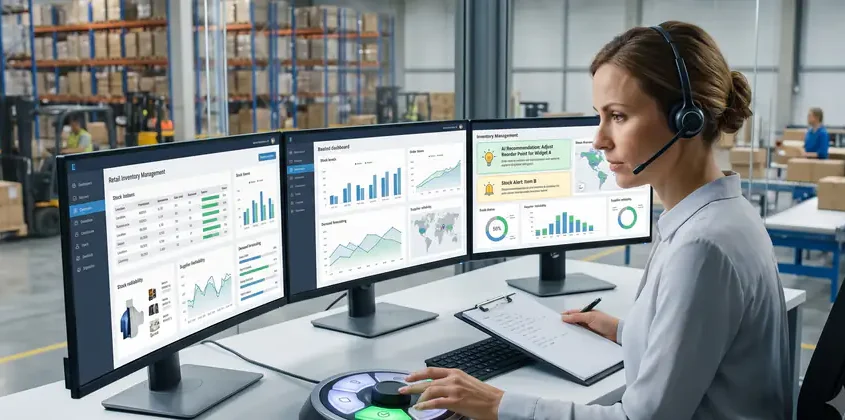
Many retailers know the feeling of watching warehouse operations fall behind just when they need them to perform at their best. A busy season hits, orders surge, and small inefficiencies start to create delays that frustrate teams and customers alike. Lean warehousing offers a way to break that pattern. The process focuses on eliminating waste and optimizing processes to support steadier movement and fewer disruptions.
Between lean warehousing’s ability to reduce inventory, encourage continuous improvement, and reveal hidden opportunities for smoother fulfillment, retailers often discover there is far more potential in their warehouse than they realized.
Key Takeaways
- Lean warehousing reduces waste and helps streamline warehouse operations during periods of high demand.
- Lean warehousing principles improve efficiency across picking, replenishment, and movement.
- Better organization and fewer interruptions contribute to stronger customer satisfaction and steadier performance.
- Lean warehousing helps lower operational costs and strengthens overall warehouse management.
What Is Lean Warehousing?
Lean warehousing is a method of managing warehouse operations that focuses on eliminating activities that do not add value and optimizing the flow of work through the facility. Instead of letting tasks pile up or workflows become cluttered, this approach encourages teams to rethink each step so it supports a smoother, more predictable rhythm.
Many retailers use lean warehousing practices to limit excess inventory, strengthen inventory management, and create warehouse layouts that guide products and people through the space with greater ease. Lean warehousing principles also promote continuous improvement, giving businesses room to adapt as demand shifts and customer expectations rise.
The Key Benefits of Lean Warehousing
Lean warehousing gives retailers a practical way to refine how work moves through the warehouse and prevent the slowdowns that often appear during busy periods. The approach supports continuous improvement and encourages teams to examine processes with a more intentional mindset. Over time, these adjustments make daily operations feel smoother and more manageable.
Lean warehousing benefits include:
Increased productivity
The benefits of lean warehousing often start with the noticeable lift in productivity. Streamlined processes reduce unnecessary movement and help warehouse employees focus on the tasks that matter most. Workflows feel more guided, and warehouse operators spend less time navigating around avoidable obstacles.
Improved employee safety
Cleaner work areas and more intentional layout decisions for warehouses and distribution centers create safer conditions for teams. Many of the benefits of lean warehousing take shape here, as organized tools and consistent upkeep help reduce the risk of accidents while improving employee morale.
Significant cost reduction
Lower operational costs become easier to achieve as wasteful processes fade and efficiency strengthens. Lean practices help limit excess inventory storage space, reduce storage costs, and remove cumbersome warehouse processes that slow work down. This improvement is a benefit of lean warehousing that many retailers start to notice early in their journey.
Enhanced customer satisfaction
Smoother fulfillment and steadier inventory accuracy naturally lead to better customer experiences. Lean warehousing focuses on improving efficiency in ways that enhance customer service, giving shoppers more reliable outcomes across both digital and physical channels.
Principles of Lean Warehousing
Lean warehousing principles give teams a structured way to reshape traditional warehouse management processes so they feel more organized, intuitive, and sustainable. These lean practices help eliminate waste, improve efficiency, and support continuous improvement over time. The principles of lean warehousing can guide everything from layout decisions to inventory management routines, creating an environment that adapts more easily when demand shifts.
These principles are widely known as the 5S principles of lean warehousing. The name comes from the five steps that all begin with the letter S, which makes the framework easier for teams to learn, remember, and apply in fast-moving environments. This simple structure helps warehouse employees stay aligned as they work toward improving efficiency through consistent habits.
The 5S principles of lean warehousing include:
Sort
Sort encourages teams to remove items, tools, and materials that do not contribute to daily work. This step helps reduce visual clutter and assists with eliminating wasteful warehouse processes. When Sort is applied consistently, warehouse employees gain a clearer view of what truly supports their tasks.
Set-in-order
Set-in-order creates a layout for the warehouse where essential items are placed where they make the most sense. This process guides the placement of tools, products, and equipment so teams spend less time searching and more time moving work forward.
Shine
Shine centers on maintaining a clean and orderly environment. Regular cleaning and inspection help minimize waste, prevent hazards, and reveal early signs of issues that could disrupt warehouse operations or slow picking and replenishment.
Standardize
The standardize step introduces consistent routines that guide daily tasks, visual cues, and documentation. This standardization helps warehouse operators maintain efficient inventory management while reducing the need for constant troubleshooting.
Sustain
Sustain keeps every improvement in place through scheduled checks, warehouse processes auditing, and continuous training. Teams learn how to reinforce lean concepts and ensure the warehouse continues moving toward improving efficiency over time. Sustain works alongside other lean principles to help changes stick, even during high-pressure periods when habits can easily regress.
Common Challenges of Lean Warehouse Management Systems
Lean warehouse management systems introduce helpful changes, but they also ask teams to work differently, which can create friction at the start. Businesses often find that the hardest part is not the lean principles themselves, but the shift in mindset required to support continuous improvement across warehouse operations. Challenges become easier to manage when leaders understand where resistance typically appears and prepare teams for what to expect during the transition.
Lack of cultural resistance
Some employees may hesitate when new expectations replace familiar habits. Lean principles rely on steady participation, so even small pockets of resistance can slow progress. Clear communication and consistent reinforcement help teams understand why changes matter and how these adjustments strengthen daily warehouse operations.
Employee training
Lean warehousing practices work best when every warehouse employee understands the purpose behind each step. Training that connects lean principles to real tasks helps people adopt streamlined operations with more confidence. Without that foundation, teams may feel unsure about when or how to apply new routines.
Initial investment
Implementing lean warehousing sometimes requires upfront spending, whether on reorganizing warehouse layout, adding new tools, or introducing automated storage solutions. These investments often reduce operational costs over time, but the early effort can feel significant if teams are already stretched thin.
How to Implement Lean Warehouse Management Systems
Implementing lean warehousing works best when retailers focus on gradual, steady improvements rather than dramatic overhauls. The process encourages teams to look closely at how work moves across the warehouse and identify areas where eliminating waste or streamlining processes will create meaningful gains. Lean practices become easier to maintain as employees learn how each step contributes to improving efficiency. The goal is to build routines that support continuous improvement and create warehouse operations that adapt as demand changes.
- Assess current workflows
Start by documenting existing processes so your team can see how products, people, and information move through the warehouse. This creates a baseline for identifying wasteful processes and opportunities to enhance efficiency. - Identify areas that slow down work
Look for steps that create delays, confusion, or extra movement. Many retailers use value stream mapping here to understand where time and effort are being lost. - Reshape the warehouse layout
Adjusting the warehouse layout can give employees a clearer path through daily tasks. Even small updates improve space utilization and create fewer obstacles during picking or replenishment. - Introduce standardized processes
Consistent routines give warehouse employees structure as they learn new methods. Standardized processes also make it easier to streamline warehouse operations and support lean practices across shifts. - Use visual management tools
Labels, signage, color cues, and digital dashboards help employees navigate the warehouse without hesitation. These tools reduce errors and support more streamlined inventory management. - Support changes with technology
Inventory management software, automated storage solutions, and automated picking solutions help reduce manual tasks and improve operational efficiency. Lean warehousing technology complements existing lean principles without overwhelming the operation. - Implement JIT inventory management where appropriate
Just-in-Time (JIT) inventory management focuses on receiving goods only when they are needed for production or fulfillment, rather than storing large amounts of stock in advance. This approach helps minimize waste and reduce excess inventory. Doing this thoughtfully prevents sudden shortages while improving space utilization. - Reinforce improvements through training
Acknowledge warehouse employees as they adapt to new expectations. Training and coaching strengthen lean methodologies and help sustain momentum. - Review progress and utilize continuous improvement
Continuous improvement initiatives keep the warehouse aligned with lean concepts as demand shifts. Small, ongoing adjustments help eliminate excess inventory, address cumbersome warehouse processes, and maintain sustainable warehouse operations.
How Brightpearl Helps with Implementing Lean Warehousing
Implementing lean warehousing becomes much easier when the tools behind the scenes help keep work moving without constant oversight. This is where Brightpearl shines. Retailers get a platform that takes the pressure off warehouse teams and keeps daily tasks flowing in a way that supports lean practices without adding extra steps.
Brightpearl helps retailers stay organized, move faster, and remove the friction that often slows warehouse operations. The automation, clarity, and real-time visibility it offers make lean warehousing feel far more achievable on a day-to-day basis.
Brightpearl features that support lean warehousing include:
- Automation that reduces manual decision-making and removes repetitive tasks.
- Real-time inventory updates that strengthen efficient inventory management.
- Smart order routing that keeps products moving through warehouse processes with less delay.
- Purchasing tools that help reduce excess inventory and improve planning.
- Performance insights that highlight opportunities to refine workflows and utilize continuous improvement over time.
These tools help teams maintain momentum and stay focused on the work that truly keeps orders moving. Retailers often discover that once the busywork gets out of the way, their warehouse has far more potential to run lean than they expected.
Get Started with Lean Warehousing Today
It’s easy to see why lean warehousing has become such a useful approach for retailers who want to help their warehouse operations run smoothly and more predictably. Once teams start using lean warehousing to trim away the extra steps that slow them down, the entire environment begins to feel more focused and easier to manage, even during the busiest moments.
If you want to see how the right technology can help streamline your lean warehousing efforts, book a demo with Brightpearl and explore how much simpler warehouse operations can be.
Lean Warehousing FAQ
What is the meaning of lean warehousing?
Lean warehousing refers to a method of managing warehouse operations that focuses on eliminating waste and maximizing efficiency across daily tasks. The approach encourages teams to refine how work moves through the facility so they can respond to demand with fewer delays and more predictable performance.
What are the 5 principles of lean warehousing?
The five principles, known as the 5S framework, include Sort, Set in order, Shine, Standardize, and Sustain. Each of these lean practices helps shape or eliminate warehouse processes in a way that reduces waste, strengthens the organization, and supports continuous improvement over time.
What are the tools used in lean warehousing?
Common tools include value stream mapping, visual management tools, inventory management software, automated warehouse solutions, vertical storage solutions, automated storage solutions, automated picking solutions, and documenting existing processes to identify areas that need refinement.
Are lean warehousing and lean manufacturing the same?
Lean warehousing and lean manufacturing are related but not the same. Warehousing applies lean principles to the flow of inventory, storage, and order movement through the facility. Manufacturing uses lean manufacturing principles to improve how products are created on the production line. Warehouses focus on reducing waste in tasks like picking, replenishment, and storage, while manufacturing concentrates on eliminating delays, defects, and inefficiencies during production.