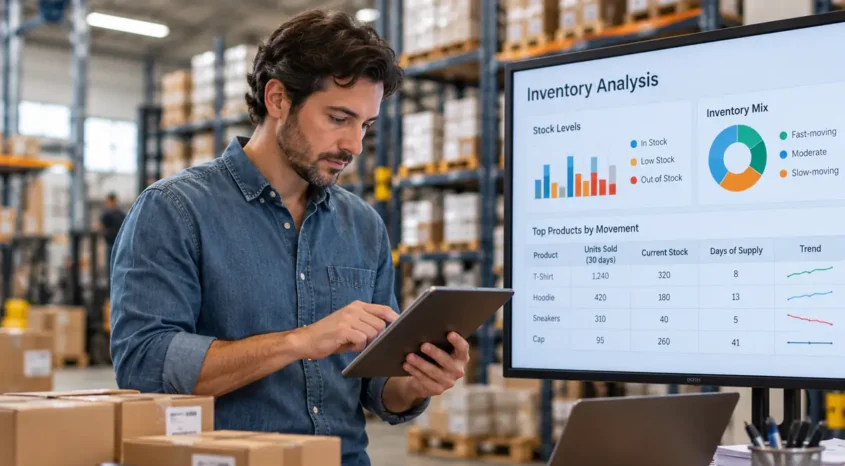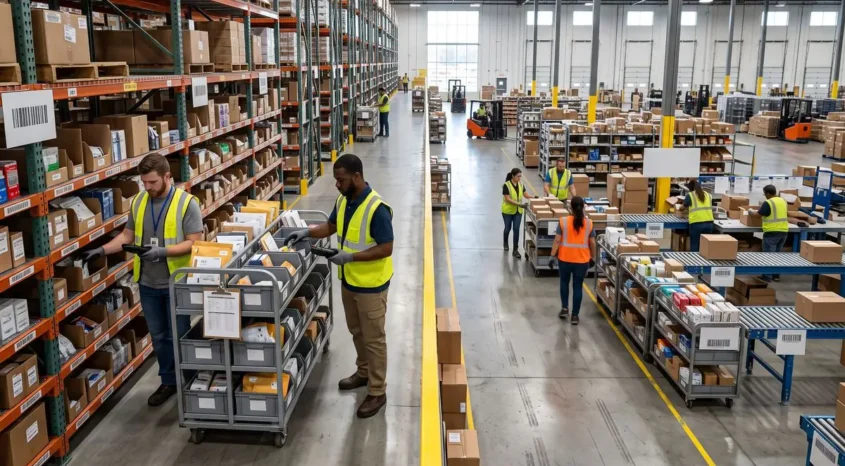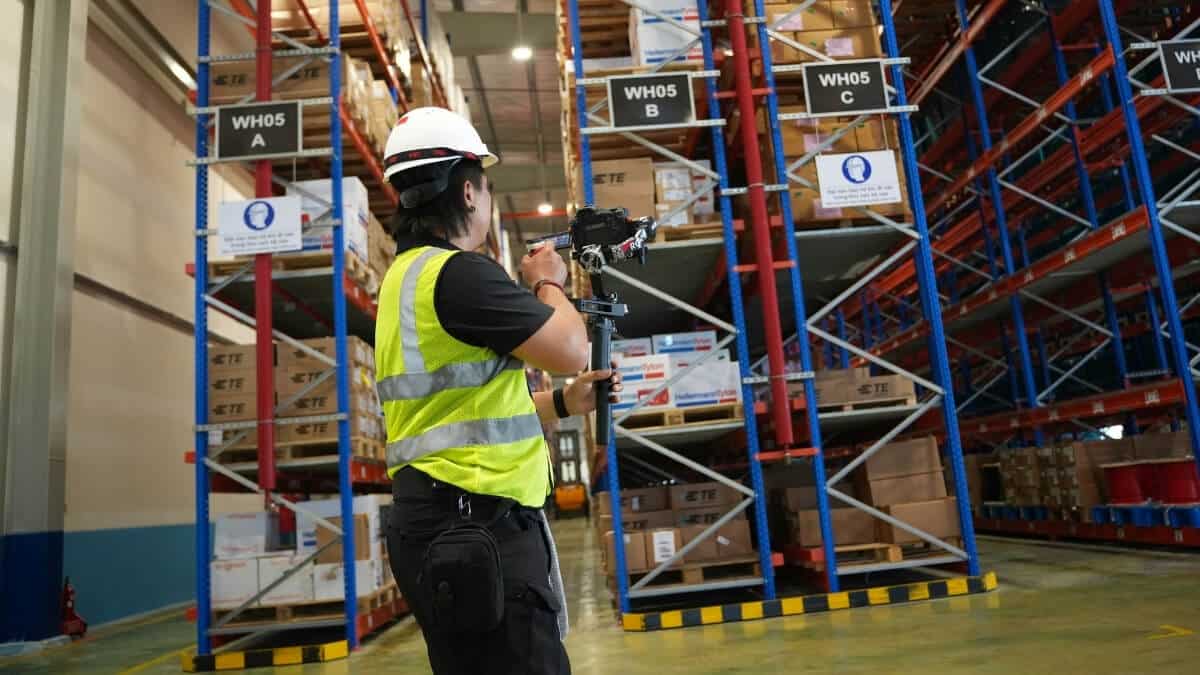
A warehouse is in constant motion. Inventory arrives, is shifted between locations, gets picked, packed, shipped, and sometimes returns through the process of returns. When stock levels or locations are unclear, small issues can escalate into missed shipments, frustrated customers, and inventory sitting in the wrong place. As order volumes grow, manual tools struggle to keep pace with this level of activity. A warehouse inventory tracking system brings structure to that movement, turning day-to-day operations into reliable, real-time visibility that helps teams stay accurate, efficient, and in control as complexity increases.
Key Takeaways
- Warehouse inventory tracking focuses on visibility, accuracy, and control as inventory moves through daily operations.
- Tracking inventory at the location and movement level reduces errors, delays, and manual corrections.
- A dedicated warehouse inventory tracking system helps teams keep pace with higher order volumes and growing complexity.
- Real-time inventory data improves fulfillment speed, purchasing decisions, and demand forecasting.
- Consistent processes and scanning technology play a major role in maintaining accurate inventory records.
- Systems that connect inventory, fulfillment, and shipping create smoother warehouse operations and stronger supply chain performance.
What Is Warehouse Inventory Tracking?
Warehouse inventory tracking is the process of monitoring where inventory is stored, how it moves, and how much is available at any given moment inside a warehouse. Also known as a warehouse management system, it records inventory as it is received, transferred between locations, picked for orders, shipped to customers, or returned. The goal is complete inventory visibility into stock levels, data across multiple locations, and an accurate history of inventory movement across the warehouse.
Unlike basic inventory tracking, which focuses only on inventory levels, warehouse inventory tracking adds context and more comprehensive inventory control. It connects quantities to physical locations, ties movement to specific actions, and provides real-time data as work happens. That combination helps warehouses minimize errors, speed up order fulfillment, and maintain reliable data as inventory flows through daily warehouse operations.
Why Is Warehouse Inventory Tracking Important?
Warehouse inventory tracking keeps operations aligned with what is actually happening on the warehouse floor. Accurate inventory tracking helps teams fulfill orders with fewer mistakes, locate products faster, and make decisions based on reliable information. Day-to-day work moves more smoothly because stock levels, locations, and movements remain visible and consistent.
Without proper tracking, small gaps in visibility quickly turn into stockouts, excess inventory, delayed shipments, and frustrated customers. Purchasing becomes reactive, order fulfillment slows, and inventory data loses trust across the business. Using tracking as part of an overall warehouse inventory management strategy streamlines operations, keeps inventory flowing smoothly, and increases customer satisfaction.
What Are the Benefits of Using a Warehouse Inventory Tracking System?
A warehouse inventory tracking system does more than record stock levels. It brings together inventory data to real work and helps teams operate with greater speed and accuracy. As warehouses grow busier and more complex, these benefits become increasingly important.
Real-Time Visibility
A warehouse inventory tracking system shows what inventory is available, where it is stored, and how it moves as work gets done. Teams share a clear view of stock levels, locations, and status across the warehouse, which reduces confusion and conflicting information. With inventory data updating continuously, decisions are grounded in what is actually on hand instead of assumptions or outdated reports.
Faster and More Accurate Order Fulfillment
Clear inventory visibility makes daily work easier on the warehouse floor. Picking becomes more accurate, packing runs more smoothly, and shipping moves faster because teams know exactly where products are and which items are ready to go. With less time spent searching or fixing mistakes, orders flow through the warehouse with fewer interruptions and better operational efficiency.
Better Inventory Accuracy and Control
Tracking inventory at the location and movement level helps prevent discrepancies between system records and physical stock. Receiving, transfers, adjustments, and returns are captured as part of daily workflows, keeping inventory counts aligned with reality. That level of control reduces shrinkage, limits manual corrections, and increases inventory accuracy over time.
Improved Demand Planning and Replenishment
Accurate warehouse data shows how inventory moves and how quickly products sell. Businesses can spot trends, identify slow-moving items, and replenish stock based on real movement patterns rather than guesswork. This leads to better purchasing decisions and fewer surprises tied to stock availability.
Scalable Warehouse Operations
As order volume increases and warehouses expand, manual tracking methods struggle to keep up. A warehouse inventory tracking system helps operations grow by standardizing processes and maintaining visibility across locations. Operations scale more smoothly because inventory data remains consistent, accessible, and dependable as complexity increases.
What to Look for in a Warehouse Inventory Tracking System
Choosing the right warehouse management software for inventory tracking requires looking beyond basic stock counts. The system needs to reflect how inventory actually moves through the warehouse, how teams work day to day, and how the business plans to grow.
Real-Time Tracking Capabilities
Inventory data should update as work happens, not hours or days later. Real-time tracking ensures that receiving, picking, transfers, and shipments immediately affect available stock. This prevents teams from making decisions based on outdated information and keeps inventory data consistent across the business.
Warehouse Location Tracking
A strong system tracks inventory at the location level, not just at the product level. Support for bins, zones, and multiple warehouses helps teams find items quickly and store inventory logically. Clear location tracking reduces human error and shortens fulfillment times.
Automation and Workflow Support
Warehouse inventory management processes involve repeated tasks that benefit from automation. The right system should help manage inventory by automating workflows for receiving, picking, packing, shipping, and returns without relying on manual updates. Automation reduces errors, saves time, and keeps inventory records aligned with physical activity.
Integration With Sales and Accounting Systems
A warehouse inventory tracking system should connect directly with sales channels and financial systems so inventory changes flow through orders, purchasing, and reporting. Integrated systems reduce duplicate work and eliminate gaps between warehouse activity and business data.
Ease of Use and Adoption
Even the most capable system falls short if teams struggle to use it. Clear interfaces, logical workflows, and straightforward setup help warehouse staff adopt the system quickly.
Scalability for Growing Operations
Warehouses change as businesses grow. Your warehouse inventory management software should support higher order volumes, additional locations, and more complex workflows without requiring a full replacement.
Warehouse Inventory Tracking Best Practices
Good warehouse inventory tracking comes down to how well warehouse management processes work in real life, not just on paper. Clear routines help inventory data stay accurate, warehouse space stay organized, and daily work stay responsive to customer demand. When people, processes, and technology move in the same direction, inventory tracking becomes a steady part of the supply chain instead of something teams constantly have to fix.
Standardize Warehouse Layouts and Processes
A clear warehouse layout makes daily work easier. Defined zones, aisles, and bins help teams store inventory items logically and make better use of warehouse space. When receiving, storage, and picking follow consistent processes, warehouse management becomes more predictable and less error-prone.
Track Inventory Movement With Scanning Technology
Capturing inventory movement as it happens reduces mistakes. Barcode scanning, RFID tags, and shipping labels let teams record receiving, transfers, picks, and shipments without slowing down work. This technology creates a reliable trail of inventory movement and keeps records accurate without extra effort.
Focus on Movement, Not Just Quantity
Knowing how inventory items move through the warehouse matters just as much as knowing how much is on hand. Movement-level visibility helps teams spot issues earlier, understand product flow, and fix discrepancies faster. This approach gives warehouse management a clearer view of what is really happening day to day.
Connect Inventory Data to Demand Forecasting
Inventory data becomes more useful when it reflects real buying patterns. Tracking how inventory moves through fulfillment helps teams plan replenishment around customer demand rather than assumptions. Better demand forecasting leads to steadier stock levels and fewer surprises across the supply chain.
Choose a Software Solution That Grows With You
A warehouse inventory tracking software solution should keep pace as operations expand. Systems that handle higher volumes, more inventory items, and more complex workflows help teams stay organized as complexity increases. The right technology keeps inventory data reliable without adding friction to daily work.
How Brightpearl Helps With Warehouse Inventory Tracking
Warehouse inventory tracking breaks down when systems fall out of sync with daily work. Brightpearl keeps inventory grounded in real warehouse activity by connecting inventory, fulfillment, and shipping inside a single platform. As inventory moves through receiving, storage, picking, and shipping, stock levels and locations update automatically, giving teams confidence in what they see and act on.
Brightpearl is built to keep fast-moving warehouses accurate, efficient, and ready to scale:
- Centralized inventory visibility: Instantly see inventory items across warehouses and locations, including what is available and where it is stored.
- Automated fulfillment workflows: Orders flow from sale to shipment with fewer manual steps and fewer opportunities for error.
- Barcode scanning and RF integration: Scan inventory during receiving, picking, and shipping to keep records accurate in real time.
- Integrated shipping and returns: Print shipping labels, dispatch orders, and handle returns while inventory updates stay in sync.
- Demand-driven replenishment: Inventory movement feeds demand forecasting, so purchasing reflects real customer demand.
- Scalable warehouse operations: Manage higher volumes, more inventory items, and additional locations without adding friction.
Brightpearl turns warehouse inventory tracking into a strength rather than a struggle. With everything connected in one system, teams move faster, stay organized, and maintain accuracy even as warehouse operations grow more complex.
Taking Advantage of Inventory Tracking with Brightpearl
Warehouse inventory tracking touches every part of warehouse operations, from how inventory items move to how quickly orders ship. When tracking is clear and consistent, teams spend less time fixing issues and more time keeping work moving. Accurate inventory, organized warehouse space, and reliable data make it easier to meet customer demand without adding stress to daily operations.
The right warehouse inventory tracking system creates that clarity as complexity grows. With connected processes and dependable data, warehouses run faster, stay accurate, and scale with confidence. If you want to see how Brightpearl can streamline warehouse inventory tracking and keep operations running smoothly, book a demo and explore how it fits into your workflow.
Frequently Asked Questions
How do you keep track of inventory in a warehouse?
Warehouses keep track of inventory by recording where inventory items are stored, how they move, and when quantities change. This usually involves barcode scanning or RFID tags during receiving, picking, transfers, shipping, and returns. A warehouse inventory tracking system captures these actions in real time, giving teams accurate visibility into stock levels, locations, and movement across the warehouse.
What are the 5 KPIs for a warehouse?
While KPIs vary by operation, five commonly tracked warehouse KPIs include inventory accuracy, order picking accuracy, order fulfillment rate, inventory turnover, and space utilization. Together, these metrics help warehouse teams measure efficiency, identify bottlenecks, and improve how inventory and warehouse space are managed.
What is the 5S rule in warehousing?
The 5S rule is a warehouse organization method focused on Sort, Set in order, Shine, Standardize, and Sustain. It encourages teams to remove unnecessary items, organize inventory logically, keep work areas clean, establish consistent processes, and maintain those standards over time. When applied consistently, 5S improves visibility, reduces wasted movement, and helps inventory tracking stay accurate.